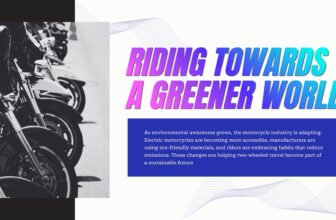

The story of motorcycles is one of innovation, engineering, and continuous evolution.
Trace the history of motorcycles from early motorized bikes to modern electric rides and smart technology. Discover how two-wheel transit has evolved.
What began as a simple motorized bicycle in the late nineteenth century has transformed into a global industry producing some of the most advanced and technologically sophisticated machines ever built. Modern motorcycles are no longer just transportation tools—they are symbols of freedom, performance, lifestyle, and technological progress.
Over the past century, motorcycles have adapted to changing rider needs, economic conditions, environmental concerns, and technological breakthroughs. From steam-powered experiments to electric motorcycles equipped with smart connectivity features, the journey of motorcycle development reflects humanity’s desire for faster, safer, and more efficient mobility.
Today, motorcycles serve millions of riders worldwide, proving that innovation on two wheels continues to shape the future of transportation.
The Birth of the Motorcycle (1885)
The First Motorized Bicycle
The origins of the motorcycle can be traced back to the late nineteenth century when inventors sought ways to combine bicycles with emerging engine technology.
In 1885, German inventors developed one of the earliest motorized two-wheel vehicles. Although primitive by modern standards, this invention marked the beginning of a transportation revolution that would eventually spread across the world.
Early motorcycles featured:
- Wooden frames
- Small engines
- Limited speed capabilities
- Basic mechanical controls
Despite their simplicity, these machines demonstrated the potential of powered personal transportation.
A Revolutionary Concept
At the time, transportation was dominated by horses, bicycles, and railways. The introduction of motorized two-wheel transportation represented a significant breakthrough, offering individuals greater independence and mobility.
Although these early motorcycles were experimental, they laid the foundation for future advancements.
The Rise of Motorcycle Manufacturing
Early Twentieth Century Expansion
During the early 1900s, manufacturers began producing motorcycles commercially.
Improvements included:
- Stronger steel frames
- More reliable engines
- Better fuel systems
- Improved durability
Motorcycles quickly gained popularity among people seeking affordable transportation.
Motorcycles During Wartime
Military organizations recognized the value of motorcycles for communication and transport.
During both World Wars, motorcycles were widely used for:
- Message delivery
- Reconnaissance missions
- Supply transportation
- Personnel movement
These practical applications accelerated technological development and increased public awareness of motorcycles.
The Post-War Boom and Mass Production (1950s)
Motorcycles Become Accessible
Following World War II, motorcycle production expanded dramatically.
Manufacturers focused on:
- Affordability
- Reliability
- Fuel efficiency
- Ease of ownership
Mass production techniques allowed motorcycles to become accessible to millions of people worldwide.
Economic Transportation
For many families, motorcycles offered an economical alternative to automobiles.
Benefits included:
- Lower purchase costs
- Reduced fuel consumption
- Affordable maintenance
- Easy operation
As economies recovered and transportation demand increased, motorcycles became essential vehicles for workers, students, and businesses.
Global Expansion
The 1950s and 1960s witnessed the rapid growth of motorcycle industries in Europe, North America, and Asia.
New manufacturers entered the market, introducing innovations that improved:
- Performance
- Reliability
- Comfort
- Design
This period established motorcycles as a mainstream transportation solution.
Performance and Engineering Advancements
More Powerful Engines
As engineering technology advanced, motorcycles became faster and more capable.
Manufacturers developed:
- Multi-cylinder engines
- Improved cooling systems
- Enhanced fuel delivery
- Higher-performance transmissions
These improvements expanded the motorcycle market beyond transportation and into recreation, racing, and touring.
Better Suspension Systems
Modern suspension technology dramatically improved rider comfort and handling.
Benefits include:
- Improved stability
- Better shock absorption
- Increased control
- Enhanced safety
Suspension development allowed motorcycles to perform effectively on a wide variety of road conditions.
Advanced Braking Technology
Braking systems evolved from basic mechanical designs to sophisticated hydraulic systems.
Innovations include:
- Disc brakes
- Dual-disc setups
- Combined braking systems
- Anti-lock braking systems (ABS)
These technologies significantly improved rider safety and stopping performance.
The Digital Revolution
Electronic Control Systems
The late twentieth century introduced electronics into motorcycle design.
Modern motorcycles now utilize electronic systems for:
- Engine management
- Fuel injection
- Traction control
- Rider assistance
Electronic control units constantly monitor and optimize motorcycle performance.
Fuel Injection Replaces Carburetors
Fuel injection systems improved:
- Fuel efficiency
- Engine reliability
- Cold-weather starting
- Emissions control
This transition marked one of the most significant advancements in motorcycle technology.
Digital Instrument Panels
Traditional analog gauges have increasingly been replaced by digital displays.
Modern dashboards can provide:
- Speed information
- Fuel levels
- Navigation directions
- Tire pressure monitoring
- Ride statistics
These systems enhance rider awareness and convenience.
Smart Motorcycles in the Modern Era
Connectivity Features
Today’s motorcycles are becoming smarter than ever.
Many modern models offer:
- Bluetooth connectivity
- Smartphone integration
- Navigation systems
- Music controls
- Call management
These features improve convenience while helping riders remain connected during travel.
Riding Modes
Advanced motorcycles often include selectable riding modes designed for different conditions.
Common modes include:
- Sport
- Touring
- Rain
- Eco
These systems adjust engine response, traction control, and power delivery to match rider preferences.
Advanced Safety Technologies
Modern motorcycles increasingly feature:
- Cornering ABS
- Lean-angle sensors
- Wheelie control
- Cruise control
- Collision warning systems
These innovations help improve rider confidence and safety.
The Electric Motorcycle Revolution
A New Chapter Begins
Electric motorcycles represent one of the most important developments in the industry’s history.
Unlike traditional motorcycles, electric models operate using battery-powered electric motors rather than internal combustion engines.
Advantages include:
- Zero tailpipe emissions
- Instant torque delivery
- Reduced maintenance
- Quiet operation
Growing Adoption
As battery technology improves, electric motorcycles continue to become more practical.
Manufacturers are investing heavily in:
- Longer range batteries
- Faster charging systems
- Lightweight construction
- Improved performance
Electric motorcycles are expected to play a major role in future transportation systems.
Artificial Intelligence and the Future
Smarter Riding Experiences
Artificial intelligence is beginning to influence motorcycle design.
Potential applications include:
- Predictive maintenance
- Adaptive safety systems
- Intelligent navigation
- Rider behavior analysis
These technologies may help reduce accidents while improving overall riding experiences.
Connected Ecosystems
Future motorcycles may communicate directly with:
- Traffic systems
- Other vehicles
- Smart city infrastructure
This connectivity could improve traffic flow and enhance road safety.
Autonomous Features
While fully autonomous motorcycles remain a developing concept, advanced rider assistance technologies continue to evolve rapidly.
Future motorcycles may feature:
- Automatic emergency braking
- Adaptive cruise control
- Collision avoidance systems
- Intelligent stability control
Sustainability and Environmental Responsibility
Cleaner Transportation
Environmental concerns are influencing motorcycle development.
Manufacturers are working to:
- Reduce emissions
- Improve fuel efficiency
- Develop sustainable materials
- Expand electric vehicle offerings
Eco-Friendly Manufacturing
Many companies are investing in environmentally responsible production methods that reduce waste and energy consumption.
Sustainability is becoming an important part of motorcycle innovation.
Why Motorcycles Continue to Evolve
The motorcycle industry has remained successful because it consistently adapts to changing rider needs.
Motorcycles continue to offer:
- Affordable transportation
- Recreational enjoyment
- Business utility
- Personal freedom
- Technological innovation
Whether used for commuting, adventure riding, racing, or touring, motorcycles continue to demonstrate remarkable versatility.
Conclusion
The journey from the first motorized bicycle in 1885 to today’s connected, intelligent, and electric motorcycles is a remarkable story of human innovation. Every generation of motorcycles has introduced new technologies that improved performance, safety, efficiency, and rider experience.
As the world moves toward smarter and more sustainable transportation solutions, motorcycles continue to evolve alongside changing technology and rider expectations. From steam-powered beginnings to AI-assisted machines, the motorcycle remains one of humanity’s most enduring and exciting inventions.
The future of motorcycling promises even greater advancements, ensuring that two-wheel transportation will remain relevant, practical, and inspiring for generations to come.
This is an example of a TOC block. The table of content is generated automatically based on Heading and Advanced Heading blocks and anchors. If you use core heading blocks, anchors are generated automatically. In case you use the Advanced heading, you need to set your own anchors in the Advanced – Anchors section of headings.
Also, the Table of the content block has the option to enable a sticky side panel. It’s great for mobile layouts.
All information in this post is just for preview and has no real information
Namecheap Hosting – Best Budget-Friendly OptionBest value for money
Rating: 8.5/10

Many website owners know Namecheap as a domain registrar, but the company also offers affordable hosting services. Its shared hosting plans, EasyWP managed WordPress hosting, and VPS options provide excellent value for users seeking low-cost hosting. Namecheap includes free SSL certificates, website management tools, and user-friendly interfaces that appeal to beginners.